ResearchDiscover
LearnExploreWanted: New Ideas! Do you have an innovative idea regarding commercial fishing? Turn your idea into research through the Fishery Resource Grant program, or the Blue Crab and Shellfish Research program. CoastwatchSubscribe![]() Don't miss the latest issue of Coastwatch magazine
|
Back to News & Events
Sea Grant Researchers Address ‘What Ifs' of Oil PollutionFOR IMMEDIATE RELEASE Contact: Katie Mosher, NC Sea Grant, 919/515-9069, katie_mosher@ncsu.edu Lawrence B. Cahoon, UNCW, 910/962-3706, cahoon@uncw.edu
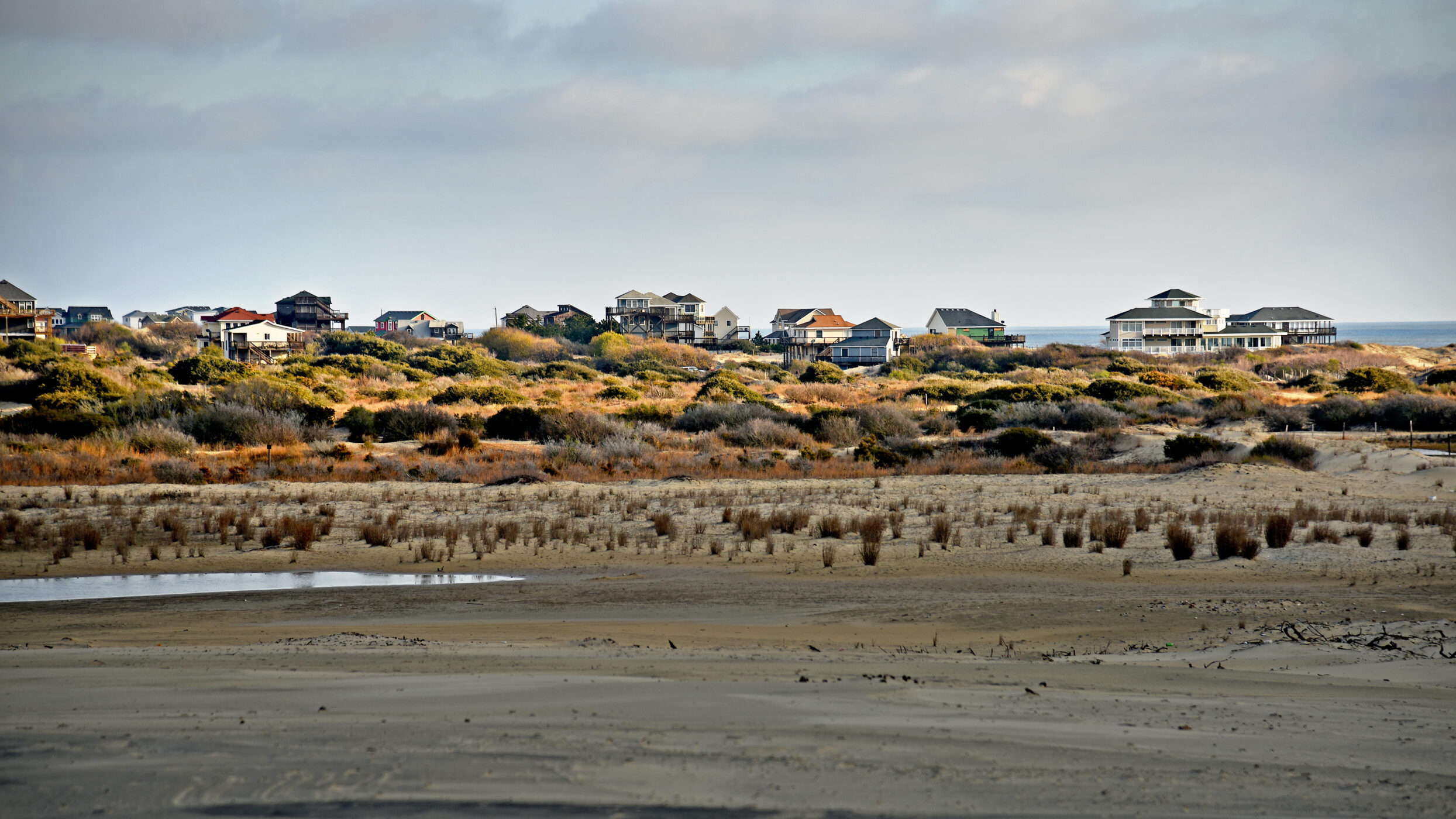
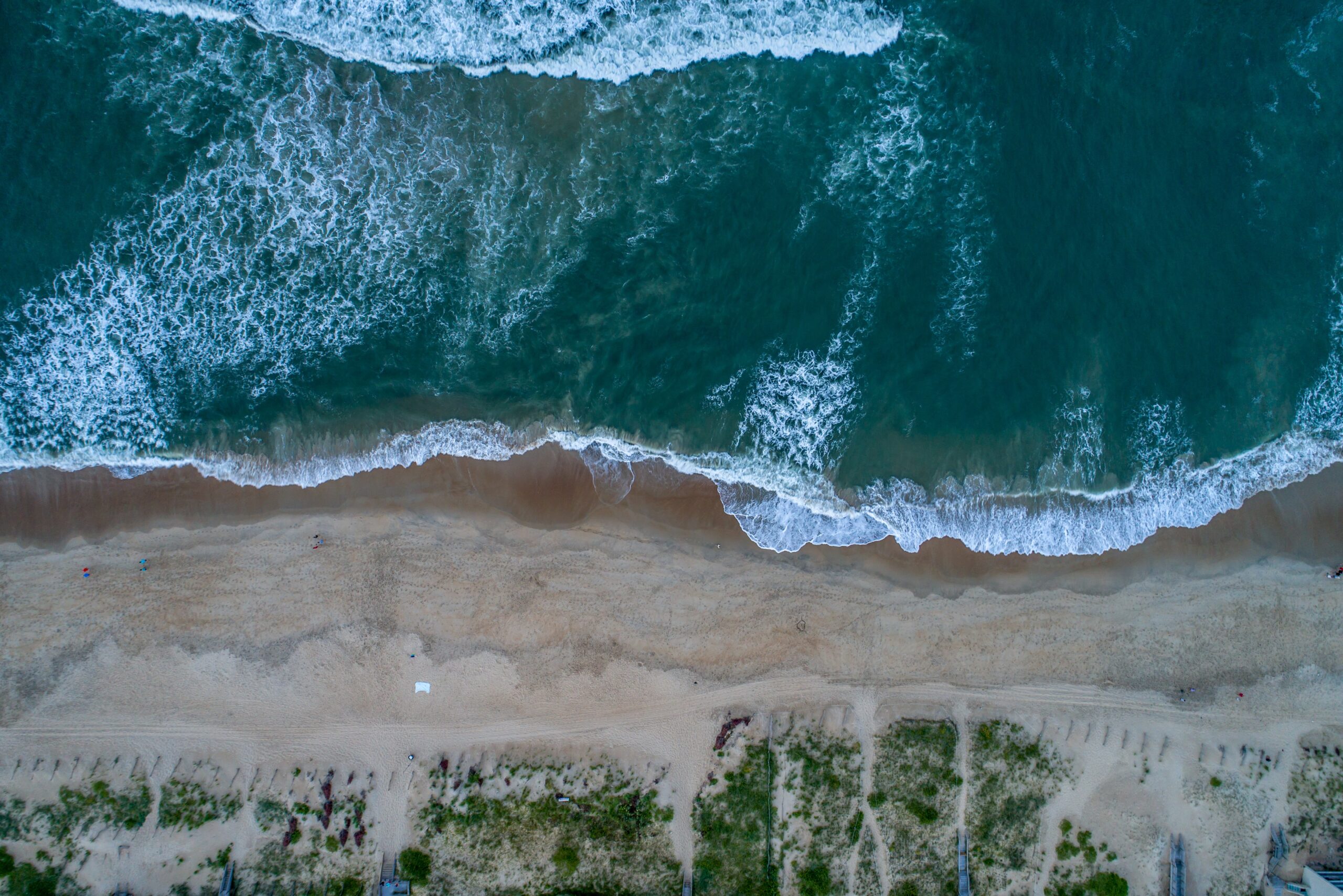
Researchers from the University of North Carolina Wilmington are taking a proactive approach to determining the North Carolina "what ifs" of the massive oil plumes threatening the environment and communities in the Gulf of Mexico region. The scientists are expanding ongoing North Carolina Sea Grant-funded studies of ecosystems and habitats of the beach and surf zones along Wrightsville Beach, Carolina Beach and Kure Beach in New Hanover County. These additional samplings and analyses of ocean water, sediment, shellfish and fish will follow federally designed protocols to detect oil pollution, thus providing baseline scientific data of what an ecologically healthy beach looks like, according to Lawrence B. Cahoon, UNCW professor of marine biology and principal investigator of the multi-disciplinary research team. Cahoon stresses that there is only a small risk that any Gulf-spill oil would reach North Carolina's coast. But if so, the researchers will be better prepared to scientifically determine the "before and after" effects of oil residues and other impacts that may make it to nearshore waters and shorelines. The expanded sampling and analysis builds on the UNCW researchers' two-year biological studies of how beaches are impacted and how they recover from beach nourishment or other human activities. The new protocols were added to the scheduled post-nourishment analysis of the New Hanover beaches. Michael Voiland, North Carolina Sea Grant's executive director, is pleased that his program can make such research investment decisions to help the state deal with potential oil spill arrival and resulting impacts. "Being co-funded with state and federal resources, understanding university research procedures, and working hard to discern emerging coastal research needs in the state, Sea Grant can be facile, flexible and timely with regard to the research information it seeks. We can use project extensions and other means to help focus or amplify university faculty research efforts," Voiland notes. North Carolina Sea Grant also hopes to be able to support a new dimension of the project, which could allow the team to expand its baseline studies to other sites from Cape Fear to Cape Hatteras. The UNCW research team includes:
In addition to the UNCW surf zone study, current and previous research projects funded by Sea Grant likely will provide baseline data that can be reviewed if oil or other effects of the Deepwater Horizon disaster are noted in waters off our coast. ## North Carolina Sea Grant: Your link to research and resources for a healthier coast |