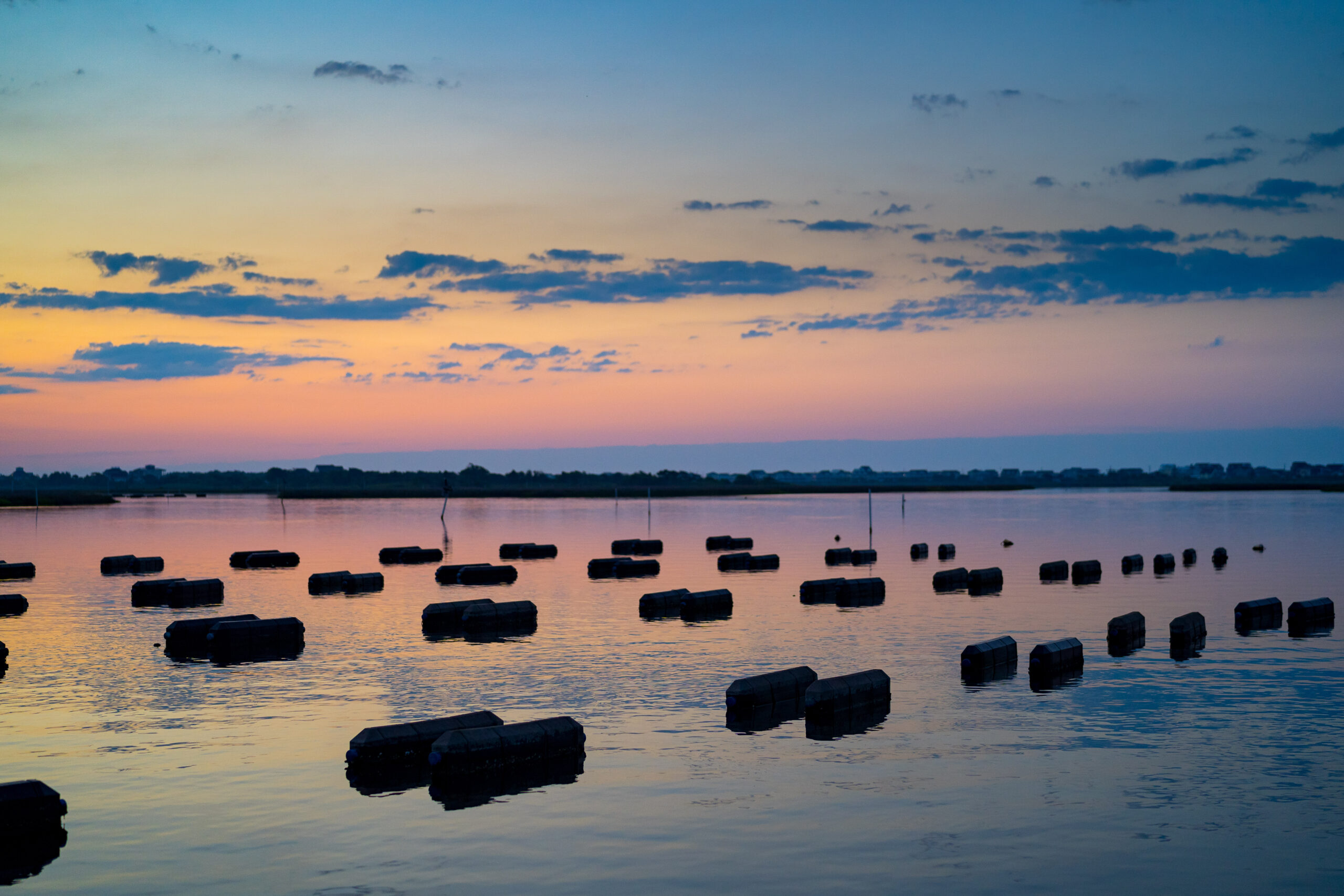
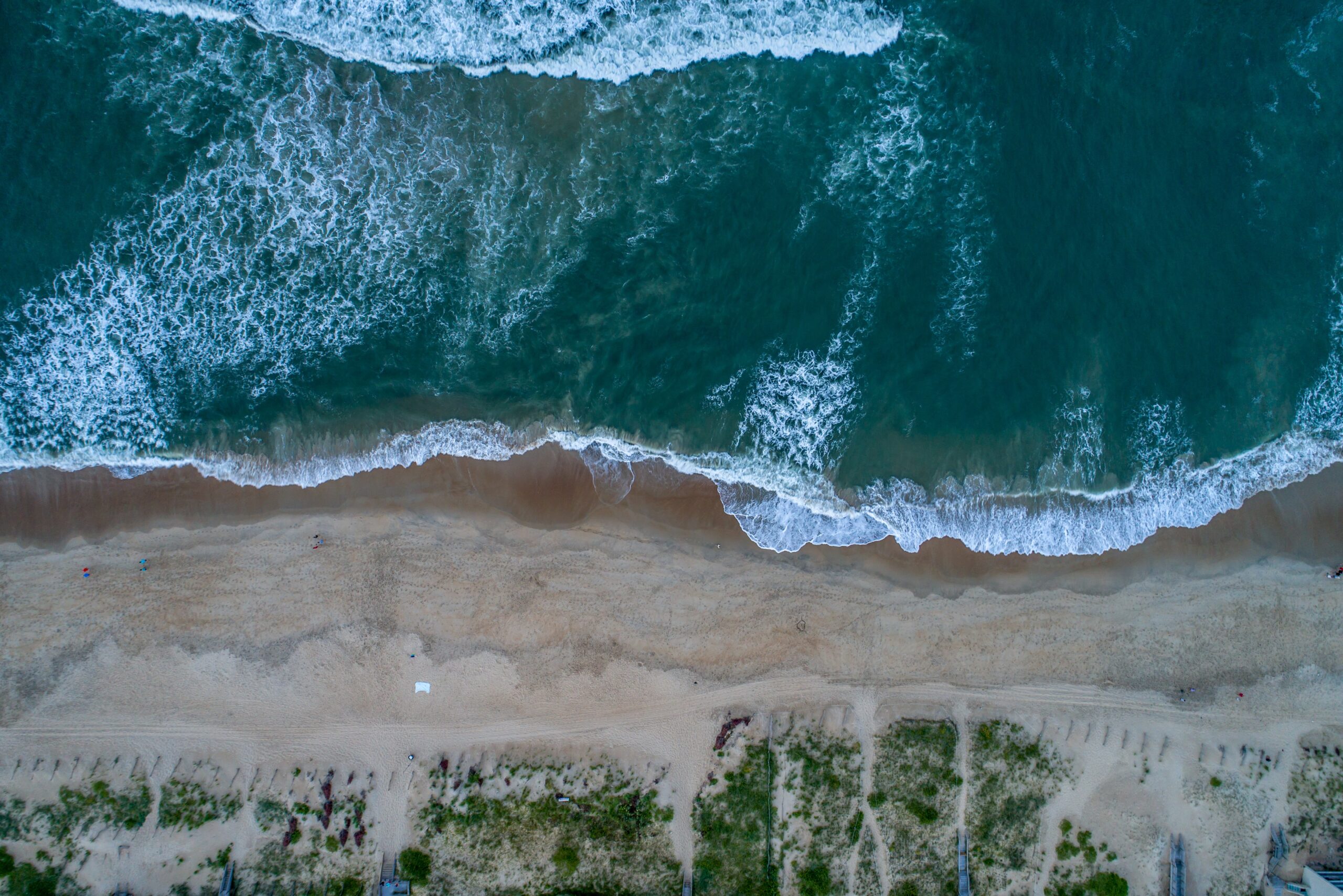
A trip to the beach should be fun, but rip currents, exposure to the sun and some wildlife can be dangerous. Learn how to limit your risk.
Coastwatch
Subscribe
Don't miss the latest issue of Coastwatch magazine
Connect to Tourism‚ Visit the Coast
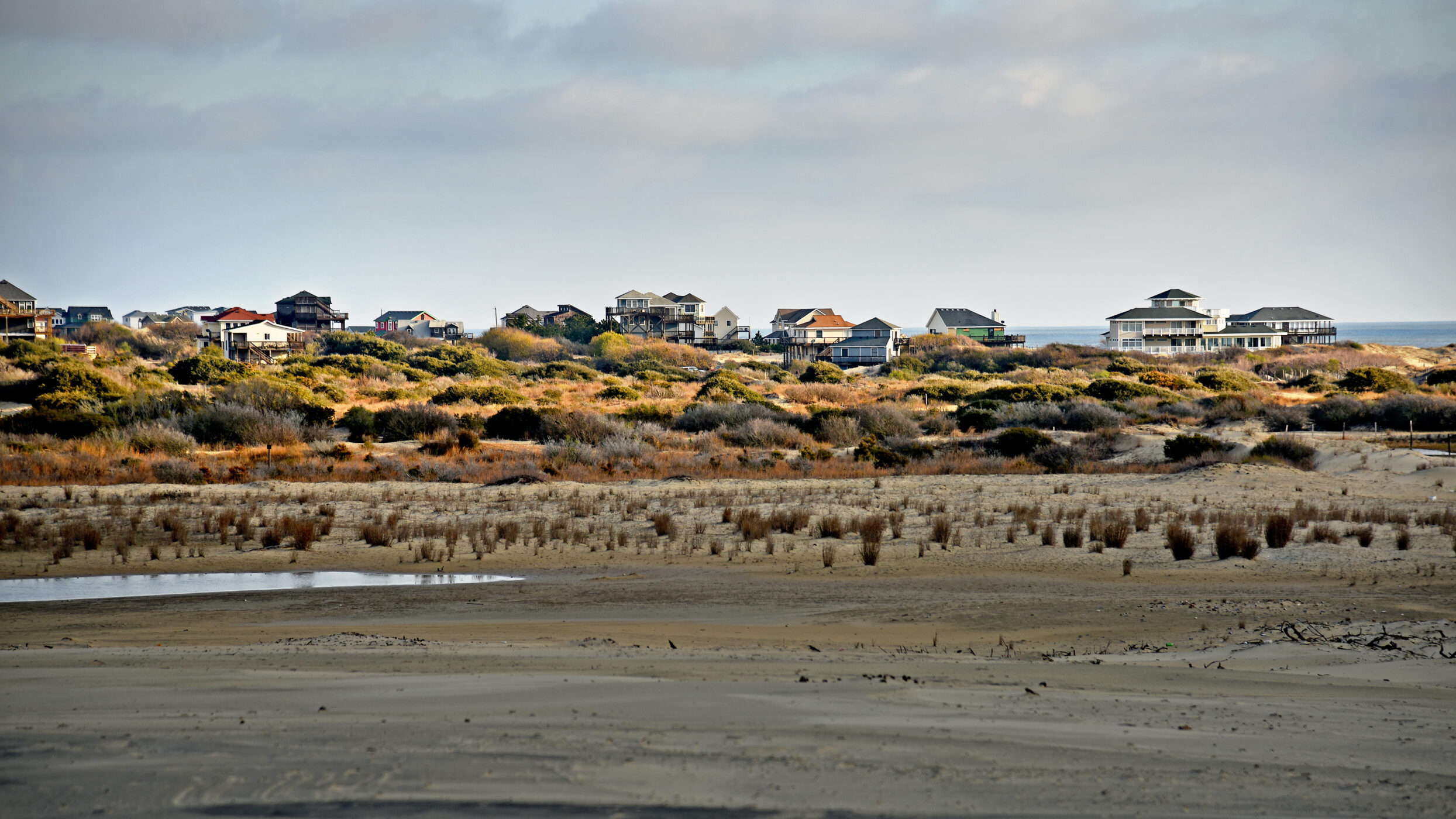
With more than 300 miles of barrier islands, the North Carolina coast attracts people of all walks of life from across the state, nation and globe. From the southern shores of the Cape Fear region to the northern isles of the Outer Banks, our coast is rich in history and heritage as much as it is in sand, surf and sun.
Tourism is a big part of our economy, and North Carolina Sea Grant has assisted in many initiatives designed to ensure beach and waterfront access, sustain traditional tourism pastimes, encourage newer ecotourism activities and promote water and beach safety. Below are some of the programs that Sea Grant has been involved with.
NC Paddle Trails Initiative Developed by a broad partnership that included North Carolina Sea Grant, N.C. Parks and Recreation, Partnership for the Sounds and paddling industry leaders, this initiative lead to the NC Paddle Trails Association, an organization that helps communities across the state maintain, restore and promote paddle trails. View maps and more.
NC Birding Trail Initative Sea Grant is one of several partners involved with the North Carolina Birding Trail, which links great bird watching sites and birders with communities, businesses and other local historical and educational attractions across the state. Started in 2003, the trail is complete in the coastal plain and piedmont regions. The mountain portion of the trail is scheduled to be completed in the summer of 2009. Read more about how birders along our coast are track bird populations each year in the Wilmington Star News.
Access to Coastal Areas As the popularity of coastal North Carolina as a vacation destination grows, so do concerns about fair access to all residents, day-trippers and extended-stay vacationers. Sea Grant led the 2007 Waterfront Access Study Committee (WASC), which resulted in a $20 million Waterfront Access and Marine Industry (WAMI) fund by the state of North Carolina. Sea Grant and the N.C. and encourages everyone to learn more about access sites along our coast. To learn more about WASC, visit our Conferences and Events page and select "2007 and Prior."
Water and Beach Safety
We are committed to the safety of vacationers and residents that visit our shores. We’ve provided rip current safety information to the public since the 1970s, as well as tips and guidance for avoiding a variety of natural hazards.
Rip Currents— North Carolina Sea Grant has provided rip current safety information since the 1970s. during the last decade, Sea Grant has joined forces with the National Weather Service, beach communities and the U.S. Lifesaving Association to broaden beach safety information, from signs posted at along the oceanfront to publicizing online rip current forecasts from the weather service. Learn more about the Break the Grip of the Rip Campaign.
Shark Safety— Shark attacks on humans in the United States are very rare, but they do happen. Sharks are an important part of our marine ecosystem, and North Carolina has more than 40 species of sharks ranging from 3 to 8 feet. Sea Grant has products available to learn more about sharks and how to avoid shark attacks. Learn more with Sea Grant’s Shark Sensebrochure.
Skin Cancer— According to some estimates, 40 to 50 percent of Americans who live to age 65 will have skin cancer at least once. Those who spend a lot of time in the sun, such as fishermen and frequent beach visitors, are at an increased risk. Learn more about skin cancer and how to protect yourself.
Photos: Scott Taylor, NC Wildlife Resources Commission, NOAA, NCSG Stock
Advanced Search:
For a list of all Sea Grant funded projects, leave fields blank and select search.
Specify part of a title, a researcher's name and/or select a category from the
from the dropdown menu.